India is not a country that reveals itself in a hurry. Its history is layered, its cultures overlap, and its heritage is not confined to monuments alone – it lives in languages, rituals, food, architecture, and everyday life. From ancient dynasties and Mughal emperors to British colonial rule and modern democracy, India’s story spans thousands of years, often unfolding within the same city streets.
A true India heritage tour is less about ticking off landmarks and more about understanding context – why cities grew where they did, how empires shaped architecture, and how traditions continue alongside modern life. This depth of experience simply cannot be captured in rushed itineraries. That is why cultural tours of India, especially thoughtfully planned multi-day journeys, offer travelers a richer and more meaningful way to explore the country’s soul.
What Makes Multi Day Tours the Best Way to Explore India?
The potential of India as a tourist destination is enormous due to its immense size and diversity. Traveling between cities in India isn’t just about the physical distance between them; it’s also about crossing over from one cultural region to another, with their own distinct traditions in food, dialects, architecture, and more. A multi-day tour will allow more time for the traveller to fully experience, and absorb what they see, without being stressed out by jet-lag or travel fatigue.
Travelers can take their time to explore the cities, learn about the culture and history through the stories of the locals, and experience things that wouldn’t be available if they were rushing through the main attractions. Some of the experiences that many travelers may miss during shorter trips include watching the sunset from a historical fort, talking to the craftsmen, and going for a stroll through the traditional neighborhoods.
Heritage Travel Experiences create a connection between different destinations. Each day of a heritage trip builds on the experiences of the previous day, allowing the traveller to see the history of a country as a continuous narrative rather than a series of isolated events.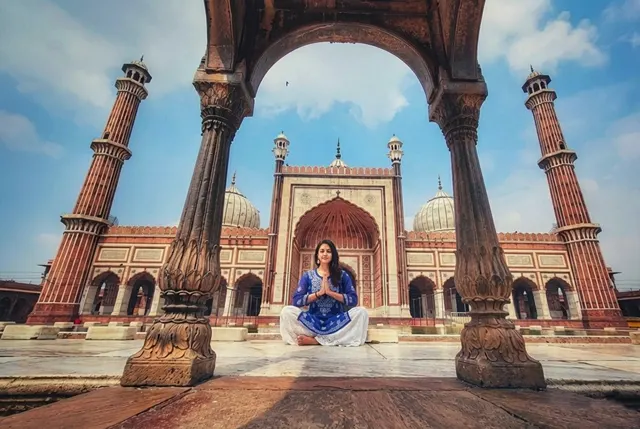
The Golden Triangle Route – The Heart of India’s Heritage
The Golden Triangle Tour India, covering Delhi, Agra, and Jaipur, remains the most celebrated heritage circuit in North India—and for good reason. This triangular route offers an extraordinary introduction to India’s political, architectural, and cultural evolution.
- Delhi reflects ancient empires and modern governance
- Agra demonstrates the majesty and romance from the time of the Mughal Empire.
- Jaipur showcases royal Rajput heritage and urban planning
A multi day Delhi, Agra, Jaipur tour connects these destinations seamlessly, allowing travelers to understand how dynasties rose and fell, how trade flourished, and how art and architecture evolved across centuries.
Delhi Heritage – Where Ancient Empires Meet Modern India
Delhi is not one city—it is many cities built one upon another. A well-designed Delhi heritage tour reveals layers of history stretching from medieval sultanates to Mughal grandeur and British colonial planning.
Old Delhi introduces travelers to bustling bazaars, historic mosques, and narrow lanes echoing centuries of daily life. The grandeur of Humayun’s Tomb, a UNESCO World Heritage Site, offers insight into early Mughal architecture, while Qutub Minar reflects the rise of Indo-Islamic design.
New Delhi, with landmarks like India Gate and tree-lined avenues, represents colonial influence and independent India’s identity. Exploring these historical places in Delhi over multiple days allows travelers to experience contrast rather than confusion.
Agra Heritage – The Timeless Romance of the Mughal Era
Agra’s heritage is deeply emotional. A thoughtful Agra heritage tour goes beyond photographs to explore stories of love, power, and artistic brilliance.
The Taj Mahal, perhaps the world’s most celebrated monument, is more meaningful when approached with historical context—its symbolism, craftsmanship, and the emotional narrative behind its creation. Understanding Taj Mahal history transforms it from a beautiful structure into a deeply human expression of devotion.
Nearby, Agra Fort reveals the administrative strength of the Mughal empire, while Fatehpur Sikri, with its abandoned grandeur, tells a story of ambition and shifting priorities. Multi day exploration allows travelers to experience these sites in softer light – early mornings, calmer afternoons, and reflective evenings.
Jaipur Heritage – The Royal Grandeur of Rajasthan
Jaipur stands as a remarkable example of planned urban design rooted in royal vision. A well-curated Jaipur heritage tour brings Rajasthan’s regal past to life through its forts, palaces, and traditions.
The sweeping walls of Amer Fort, the intricate façade of Hawa Mahal, and the city-palace complex offer insight into Rajput governance, defense strategies, and artistic refinement. Jaipur’s geometric layout reflects ancient architectural principles applied centuries before modern town planning.
Beyond monuments, Rajasthan cultural heritage thrives in local markets, traditional attire, folk music, and time-honored crafts – experiences that unfold naturally during multi day stays.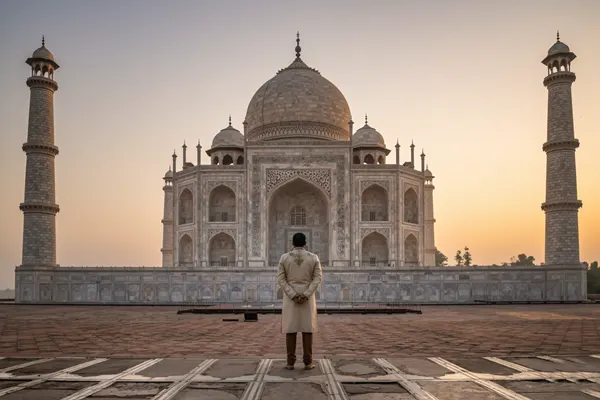
Why Multi Day Tours Create a More Meaningful Travel Experience
Meaningful travel is rarely rushed. Immersive India travel allows visitors to linger, ask questions, and explore curiosities beyond guidebook highlights. Multi day itineraries enable travelers to balance sightseeing with reflection, rest, and discovery.
Local guides share stories that connect monuments to everyday life, while unhurried schedules create space for spontaneous moments – trying regional dishes, attending cultural performances, or simply observing daily routines. These cultural exploration tours transform sightseeing into personal experience.
Culture Beyond Monuments – Food, Traditions, and Local Life
India’s heritage is as much about living traditions as it is about stone structures. A genuine Indian culture experience includes regional cuisines, religious practices, festivals, and local craftsmanship.
From street food in Delhi to Mughlai flavors in Agra and Rajasthani thalis in Jaipur, cuisine becomes a cultural lesson. Markets reveal centuries-old trading traditions, while interactions with locals offer insight into family life, beliefs, and hospitality.
Multi day heritage travel India experiences allow travelers to witness these layers gradually, creating authentic memories rather than surface impressions.
Comfort, Convenience, and Expert Planning in Multi Day Tours
Traveling through India becomes more enjoyable when logistics are handled smoothly. Guided heritage tours reduce uncertainty, offering carefully planned transport, accommodation, and sightseeing schedules.
Well-designed India tour packages also provide knowledgeable local guides who add depth and clarity, turning monuments into stories rather than silent structures. This planning ensures that travelers can focus on experience, not logistics.
Who Should Choose a Multi Day Heritage Tour in India?
A heritage vacation India is ideal for first-time visitors seeking clarity, history lovers fascinated by ancient civilizations, photographers drawn to architecture and color, and families wanting structured yet flexible travel.
Couples, solo travelers, and seniors all benefit from the pacing and safety of organized journeys. For many, these are among the best India tours because they balance discovery with comfort and insight.
How Multi Day Tours Help You Truly Connect with India’s Soul
India is not only seen – it is felt. Through multi day journeys, travelers move past postcard views into emotional connection. Stories shared by guides, moments of silence in historic spaces, and unplanned encounters foster authentic India travel experiences.
Each city adds a layer to the narrative, creating a heritage journey India that feels personal rather than packaged.
Experience India the Way It’s Meant to Be Seen
India rewards patience. Its heritage unfolds best when given time, attention, and respect. Taj Mahal Day Tours India offer travelers the chance to explore not just monuments, but meaning – connecting history, culture, and lived experience into one continuous story.
For those seeking depth over speed and understanding over checklists, multi day journeys provide the most fulfilling way to discover India’s extraordinary heritage – just as it was meant to be experienced.